
Short-Stay Compliance Checklist for Gold Coast Owners
Published
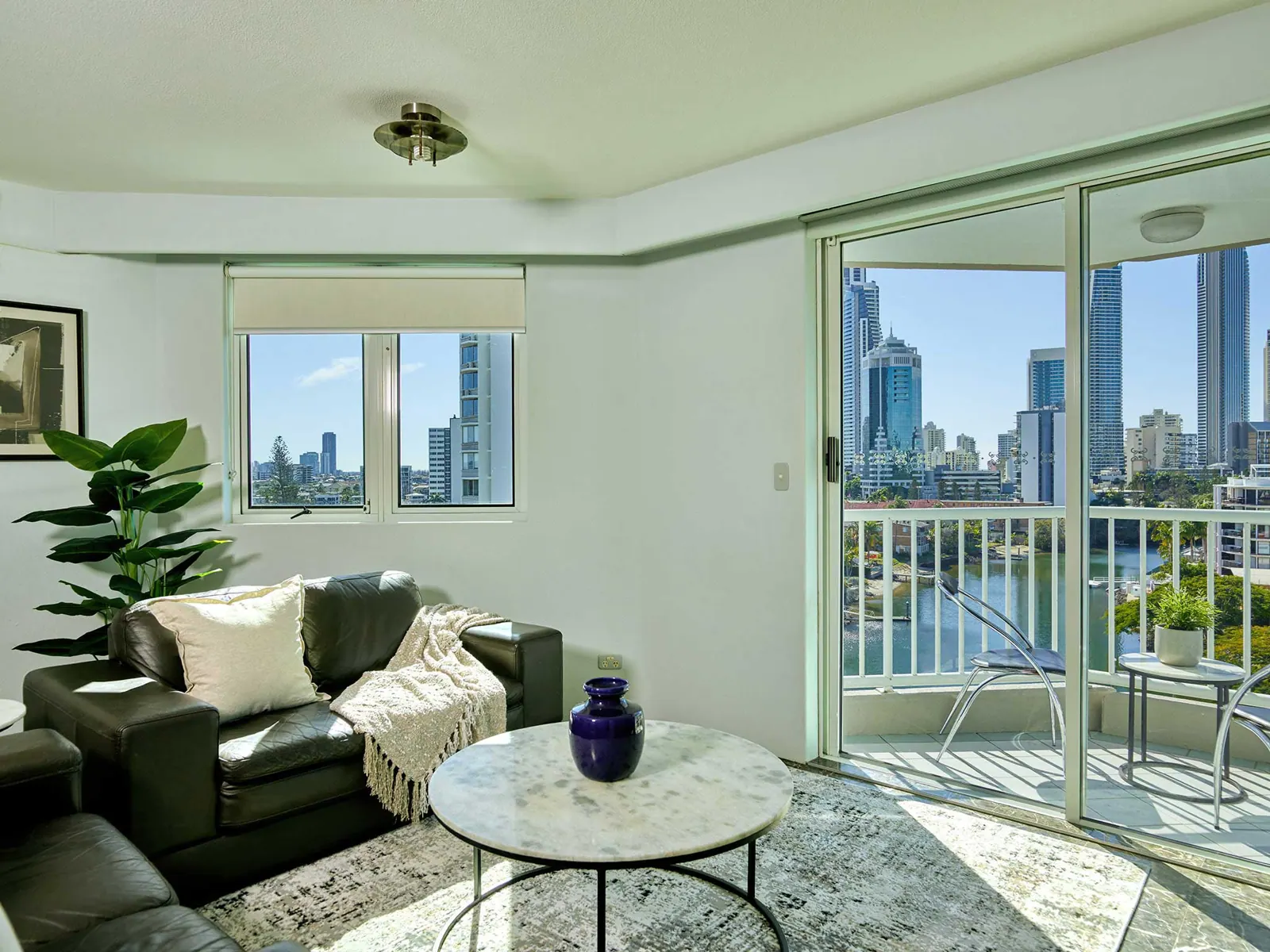
Before a Gold Coast apartment or holiday home is listed for short stays, there is a set of checks that sit outside photography and pricing. Council rules, body corporate by-laws, insurance and basic safety requirements can all affect whether, and how, you can let the property. Getting those answers first is cheaper than pausing a listing later.
This checklist is general information for owners, not legal, insurance or town-planning advice. Rules can change and they vary by address. Confirm the current position with the City of Gold Coast, your body corporate (if you have one), your insurer and, where needed, a qualified adviser. For how management itself works, see short-stay management and holiday rental management on the Gold Coast.
1. City of Gold Coast planning and local rules
Short-term letting on the Gold Coast is affected by City of Gold Coast planning rules. In many cases owners can let a residential property for short stays, but that is not automatic for every address or every type of development. Some properties may need a planning approval. Others may already be in a building that was designed for holiday accommodation.
What to do:
- Confirm the planning situation for your specific address with the City of Gold Coast, or with a town planner if the answer is not obvious.
- Do not rely on a neighbouring apartment “already being on the market” as proof that your lot has the same approval.
Bnb Hub can talk you through how your property could be managed once those checks are clear. We do not replace council advice.
2. Body corporate and building rules
In a community titles scheme, the by-laws and any building management arrangements matter as much as council rules. Some Gold Coast buildings welcome holiday letting. Others restrict it, or already have an on-site letting arrangement. Access, noise, parking, lifts and waste rules also affect how guests use the property.
What to do:
- Read the current by-laws, not a summary from a previous owner or a selling agent.
- Ask the body corporate manager whether short-term letting is permitted for your lot, and whether any registration, notice or house-rule pack is required.
- If there is an on-site manager or letting pool, find out how a privately managed short stay sits alongside that arrangement.
Our strata rules guide for short-term letting on the Gold Coast goes into this in more detail.
3. Insurance
A policy that covers a long-term tenant, or a home you occupy yourself, may not cover paying short-stay guests. Insurers often treat holiday letting as a different use. If a guest is injured or the property is damaged, a gap in cover is the owner’s problem, not the guest’s.
What to do:
- Tell your insurer that the property will be let on a short-stay basis, including any nights you will also stay yourself.
- Ask, in writing, whether public liability, building and contents cover still apply, and whether any conditions (such as a minimum stay or guest screening) are required.
- Keep a copy of the confirmation with your management records.
This is also worth revisiting when you renew the policy, not only when you first list.
4. Fire safety, pools and basic property standards
Queensland has safety rules that apply to residential properties, and some have extra relevance when new people stay each week. Smoke alarms are a standard requirement in Queensland homes. If the property has a pool or spa, a current pool safety certificate may be required. Evacuation information, working locks, safe balconies and clear access all matter for guests who do not know the building.
What to do:
- Check that smoke alarms and other required safety devices meet current Queensland requirements.
- If there is a pool or spa, confirm whether a pool safety certificate is needed and whether it is current.
- Walk the property as a first-time visitor would: lighting, stairs, parking, and how someone would leave in an emergency.
A manager can help you notice gaps during setup and after each stay, but legal compliance remains the owner’s responsibility.
5. Tax and record-keeping
Income from short-term and holiday letting is generally taxable and should be declared. Management fees and some running costs may be deductible, depending on your circumstances. Keep clear records of bookings, expenses and owner-use nights. Bnb Hub provides owner reporting, including EOFY reports, as part of management, but your accountant should advise on your own tax position. See our Gold Coast short-stay tax guide.
6. How this fits with management
A professional manager can help you think through these questions, keep listings accurate, and look after guests, cleaning and maintenance once the property is allowed to operate. What a manager cannot do is give you a blanket “you’re approved” for every Gold Coast address.
If you have worked through the checklist, or you want to talk about management while you confirm the details, get a Free Estimate or call 0420 219 101. We respond within one business day. If you also plan to stay in the property yourself, read Use Your Gold Coast Holiday Home While It’s Managed. If you are selling and want the property to keep earning until settlement, see Earn Income While Your Gold Coast Property Is For Sale.
Looking for hands-off management? See our short-stay management and holiday rental management on the Gold Coast, or get a Free Estimate.